Beyond Neutrality: Kazakhstan’s Strategic Embrace of the Board of Peace
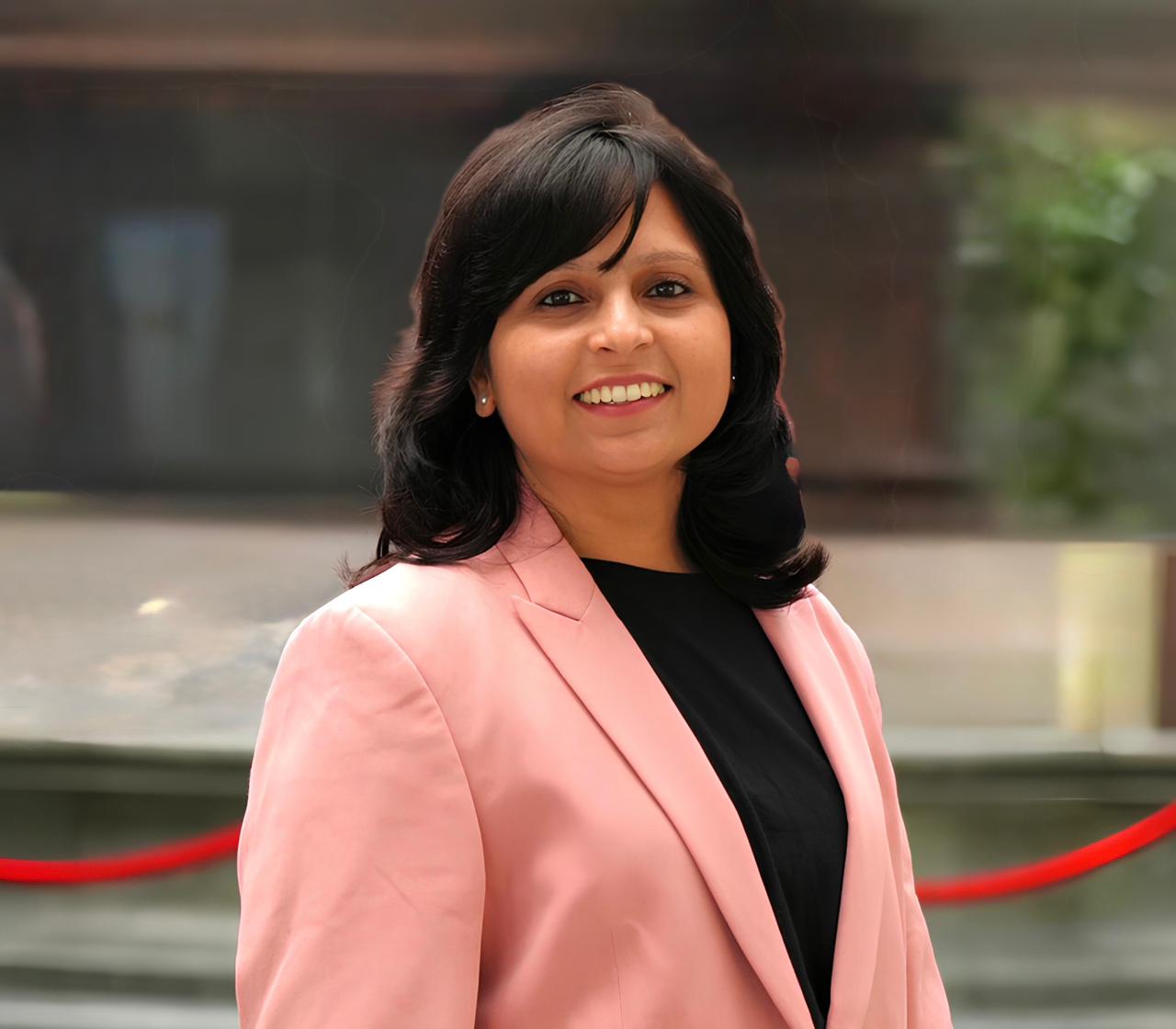
When I arrived in Kazakhstan, I was awestruck by the peace and calm of the country, as strong as the mountains and vast as the steppes. Today, with absolute admiration, I witness how the country under the leadership of President Kassym-Jomart Tokayev is now positioned at the heart of a new global conversation on ‘peace’ through the historic Board of Peace initiative.
By signing the charter of the Board of Peace in Davos, Kazakhstan has further strengthened its long-standing identity as a bridge between geopolitical worlds. It’s amazing to see how the Board has now expanded into a broader conflict-resolution mechanism, and aims to replace rhetoric with results and to root peace in economic development and practical cooperation.
President Tokayev’s commendation of this framework replicates the spirit of Kazakhstan: balanced, sovereign, and constructive engagement with all major powers, including the United States, while remaining loyal to international law and dialogue. In an era of transformed blocs and hardened alignments, this is a diplomacy born of maturity.
What makes his position particularly noteworthy is the philosophical shift he articulated. He ensured that lasting peace must be built on concrete actions and sustainable development rather than endless negotiations. This approach resonates deeply with India’s civilizational ethos of Vasudhaiva Kutumbakam, meaning, the world is one family. Peace is not an abstract ideal but a shared construction project of the world. PEACE here is practical.
Its:
Pragmatism, with commitment placed above transactions.
Economic reconstruction because employment is the strongest guarantee of security.
Alliance without dependency, working with the United States while keeping a independent voice.
Connectivity, where passages of transport and data become corridors of trust.
Equilibrium, the art of staying balanced when the world is divided.
Further, the United States’ role in initiating the Board announces a new dynamic in global governance, and Kazakhstan’s participation validates the growing strategic weight of Central Asia in shaping 21st-century diplomacy. With strong ties to Russia, China, Europe, and the West, the country is taking a step forward in creating a platform to address Middle Eastern reconstruction and global stability. It is a powerful political signal that Kazakhstan is no longer an observer but an architect.
I see in Kazakhstan a familiar civilizational endurance, with abundant ability to mediate, host dialogue, and transform geography into destiny. From the Congress of Leaders of World and Traditional Religions to this new Board of Peace, the country consistently invests in platforms that reduce confrontation and expand trust.
For Kazakhstan, this is consistent with a long diplomatic tradition. From nuclear disarmament to hosting interfaith dialogue, this nation has always converted geography into responsibility, proving that sovereignty and partnership can coexist. In an uneven world, President Tokayev’s vision highlights that peace is not imposed by power; rather, it is built through partnership and collaboration.
The future will belong not to those who dominate conflicts, but to those who contribute to peace. And today, Kazakhstan is helping design it, for humanity’s future lies in cooperation, not competition.
Dr. Ananya Mishra
Narxoz University
Kazakhstan



Сайтымыздың мобильді қосымшасын жүктеп алыңыз.